Buy interimmanagement.org ?
We are moving the project
interimmanagement.org .
Are you interested in purchasing the domain
interimmanagement.org ?
domain@kv-gmbh.de · 0541-91531010
Buy interimmanagement.org ?
What is the evolutionary history of the development of horses?
Horses have a long evolutionary history that dates back over 50 million years. They evolved from small, multi-toed creatures known as eohippus, which lived in forests and had a diet of soft plants. Over time, as their environment changed and grasslands became more prevalent, horses adapted by developing a single toe and teeth suited for grazing on tougher grasses. This evolutionary process led to the development of the modern horse we are familiar with today. **
Do all evolutionary factors have to act in synthetic evolutionary theory?
In synthetic evolutionary theory, not all evolutionary factors have to act in isolation. Instead, the theory emphasizes the interaction and integration of multiple factors, such as genetic variation, natural selection, genetic drift, and gene flow, in shaping the evolutionary process. This approach recognizes that evolution is a complex and multifaceted phenomenon, and that the combined effects of these factors can lead to the emergence of new traits and species. By considering the interactions among these factors, synthetic evolutionary theory provides a more comprehensive understanding of the evolutionary process. **


Similar search terms for Evolutionary
Top-Angebote
Products related to Evolutionary:
-
Harper Perennial Sex at Dawn: How We Mate, Why We Stray by Christopher Ryan & Cacilda Jethá - Paperback Non-Fiction - Evolutionary Psychology BestsellerSex at Dawn: How We Mate, Why We Stray is a thought-provoking exploration of human sexual evolution. Christopher Ryan and Cacilda Jethá challenge the standard narrative that humans are naturally monogamous, drawing on anthropology, primatology, and archaeology. This accessible and engaging paperback blends rigorous research with storytelling, inviting readers to rethink their assumptions about desire, fidelity, and the origins of modern romantic relationships. Written for curious readers, the book presents a bold and provocative argument that early humans lived in cooperative, egalitarian groups where food, childcare, and sexual partners were often shared. The authors draw on evidence from various fields to support their claim, offering a fresh perspective on human relationships and behavior. Published by Harper Perennial, this paperback is a new release with the ISBN 9780061707810.5,99 £*Shipping: 2,99 £Secure redirect to the provider
-
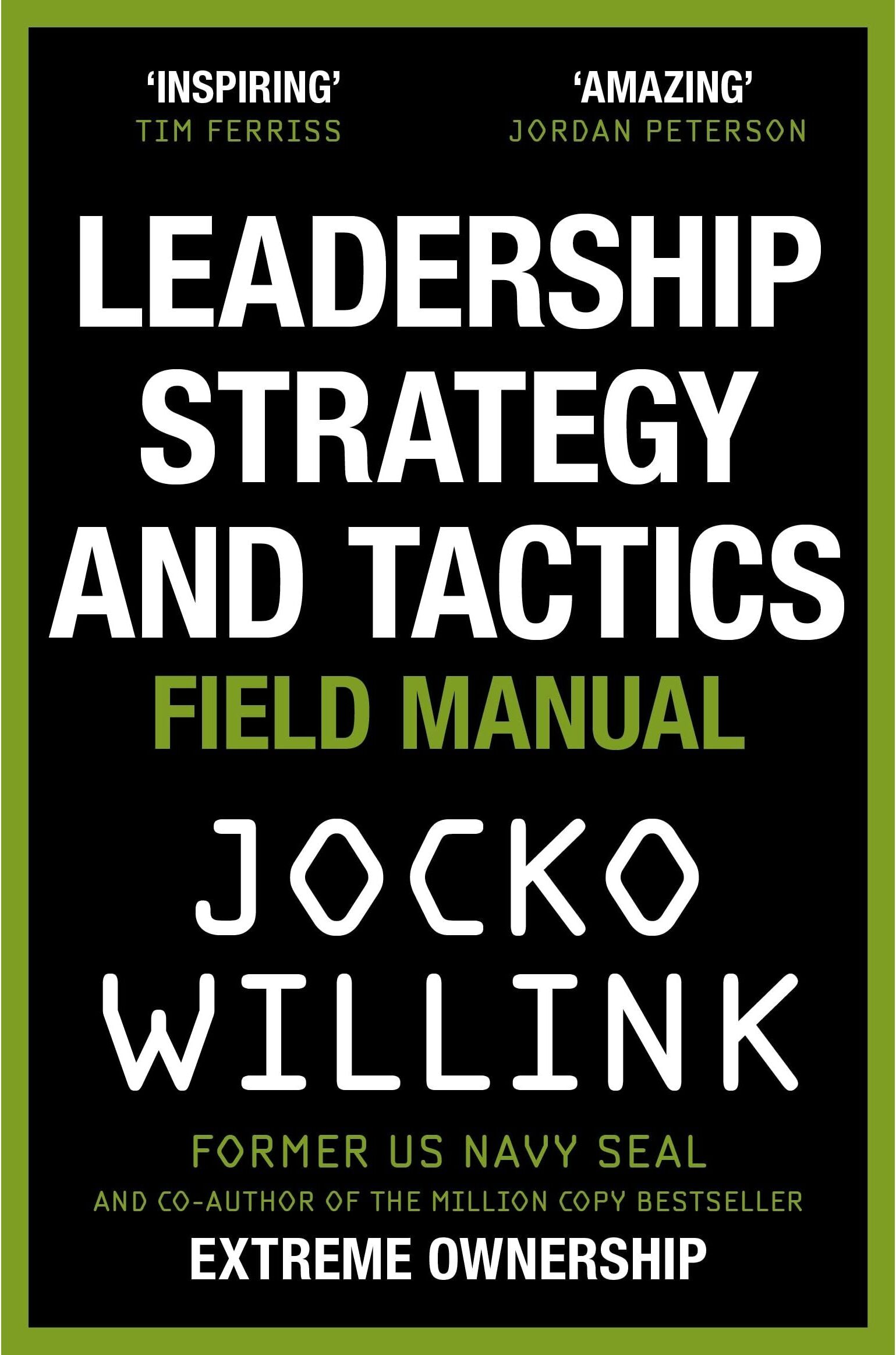
MACMILLAN Leadership Strategy and Tactics: Learn to Lead Like a Navy SEALLeadership is the most challenging of human endeavours. It is often misunderstood. It can bewilder, mystify and frustrate even the most dedicated practitioners. Leaders at all levels are often forced to use theoretical guesswork to make decisions and lead their troops. It doesn’t have to be that way. There are principles that can be applied and tenets that can be followed. There are skills that can be learned and manoeuvres that can be practised and executed. There are leadership strategies and tactics that have been tested and proven on the battlefield, in business and in life. Retired Navy SEAL Officer Jocko Willink delivers his powerful and pragmatic leadership methodology that teaches how to lead any team in any situation to victory. Here, you will learn how to: * Deal with egos and the problems they cause * Earn and build trust with both your subordinates and superiors * Instil pride in your team, without creating arrogance * Overcome challenges presented by a micromanaging, indecisive or weak boss * Create a disciplined team that regulates itself * Use leadership as a tool to teach, mentor, train and correct behaviour of team members * Operate at a maximum level of efficiency – and reap the rewards . . . and more. This book is step one towards becoming the commander of your own life. The rest is up to you.8,99 £*Shipping: 2,99 £Secure redirect to the provider
-
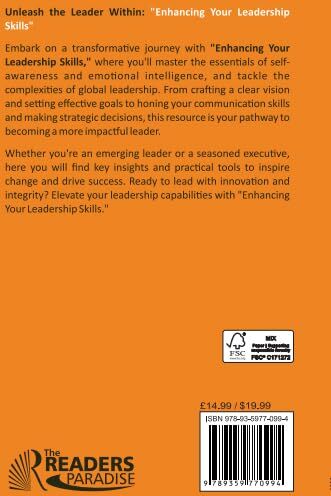
The Readers Paradise Enhancing Your Leadership Skills: A Practical Handbook for Success by Prof. V.K.Simon - Non Fiction Paperback - Leadership & Professional DevelopmentEnhance your leadership skills with this practical handbook by Prof. V.K.Simon. Written for anyone looking to lead with confidence and clarity, it blends self-awareness, emotional intelligence, and real-world strategy to help you achieve success. Whether you're a first-time manager or a seasoned executive, this compact guide delivers tools to strengthen decision-making, communication, and team impact in a fast-changing global workplace. It's built around the idea that great leadership is learned through practice, not theory alone, and covers the core competencies every effective leader needs, starting with self-awareness and emotional intelligence.2,99 £*Shipping: 2,99 £Secure redirect to the provider
-
Profile Books The Concise 33 Strategies of War by Robert Greene - Paperback Strategy & Leadership Book -Discover timeless strategic principles with The Concise 33 Strategies of War by Robert Greene. This condensed guide to strategic thinking draws on military history, politics, and human psychology, offering practical wisdom on conflict, negotiation, and leadership. Spanning centuries and civilizations, the book synthesizes lessons from generals, diplomats, philosophers, and captains of industry to reveal effective strategies for everyday life. Each strategy is illustrated with real historical episodes, making this a valuable companion for business leaders, students of history, and anyone seeking to improve their competitive edge. Published by Profile Books, this paperback edition is a compact and accessible guide to strategic thinking.12,49 £*Shipping: 2,99 £Secure redirect to the provider


-
How can the criteria of evolutionary development in vertebrates be demonstrated?
The criteria of evolutionary development in vertebrates can be demonstrated through the study of comparative anatomy, embryology, and genetics. By comparing the anatomical structures of different vertebrate species, scientists can identify similarities and differences that provide evidence of evolutionary relationships. Additionally, studying the embryonic development of vertebrates can reveal shared developmental pathways and structures that point to common ancestry. Finally, genetic analysis can provide insights into the evolutionary history of vertebrates by identifying shared genetic sequences and molecular mechanisms. Together, these approaches help to demonstrate the criteria of evolutionary development in vertebrates. **
-
How does the shark stand in the evolutionary development towards the whale?
The shark and the whale are both part of the group of animals known as Chondrichthyes, which are cartilaginous fish. However, the shark is more closely related to the ancient ancestors of whales, as they both evolved from a common ancestor around 400 million years ago. The shark represents an earlier stage in the evolutionary development towards the whale, as it has retained its fish-like characteristics such as gills and fins, while the whale has evolved to become a mammal, with features such as lungs and a blowhole for breathing air at the water's surface. The transition from the shark to the whale represents a significant evolutionary shift from a fish-like to a mammal-like form, with adaptations for life in the water. **
-
Is love of evolutionary origin?
Yes, the concept of love is believed to have evolutionary origins. Evolutionary psychologists suggest that love developed as a mechanism to promote bonding and cooperation between individuals, which increased the chances of survival and reproduction. The feelings of attachment, care, and protection associated with love are thought to have evolved to ensure the successful raising of offspring. Therefore, love is considered to have evolved as an adaptive trait that has persisted over time due to its benefits for human survival and reproduction. **
-
What is an evolutionary brake?
An evolutionary brake refers to a factor or mechanism that slows down or limits the rate of evolution within a population or species. This can include environmental factors, such as limited resources or harsh conditions, that restrict the ability of individuals with certain traits to survive and reproduce. Additionally, genetic factors, such as mutations that are detrimental to an organism's survival or reproduction, can act as evolutionary brakes by preventing those traits from becoming more common in a population. Overall, evolutionary brakes help to maintain genetic diversity and prevent rapid and potentially harmful changes in a population. **

How does Lamarck's theory explain the evolutionary development of the woodpecker's long tongue?
According to Lamarck's theory of evolution, organisms can acquire new traits during their lifetime through their interactions with the environment, and these acquired traits can be passed on to their offspring. In the case of the woodpecker's long tongue, Lamarck would suggest that the woodpecker's ancestors may have developed longer tongues over time by stretching their tongues to reach insects deep within tree crevices. This acquired trait of a longer tongue would have been passed on to future generations of woodpeckers, ultimately leading to the evolutionary development of the woodpecker's long tongue. **
Do blood types have evolutionary advantages?
Yes, blood types are believed to have evolutionary advantages. For example, the ABO blood group system is thought to have evolved as a way to protect against certain diseases. Individuals with type O blood are less susceptible to severe malaria, while those with type A blood may have a higher risk of developing certain types of cancer. Additionally, the Rh factor in blood types is thought to have evolved as a way to protect against certain infections. Overall, blood types are believed to have evolved as a way to provide some level of protection against various diseases and infections. **
Top-Angebote
Products related to Evolutionary:
-
Harper Perennial Sex at Dawn: How We Mate, Why We Stray by Christopher Ryan & Cacilda Jethá - Paperback Non-Fiction - Evolutionary Psychology BestsellerSex at Dawn: How We Mate, Why We Stray is a thought-provoking exploration of human sexual evolution. Christopher Ryan and Cacilda Jethá challenge the standard narrative that humans are naturally monogamous, drawing on anthropology, primatology, and archaeology. This accessible and engaging paperback blends rigorous research with storytelling, inviting readers to rethink their assumptions about desire, fidelity, and the origins of modern romantic relationships. Written for curious readers, the book presents a bold and provocative argument that early humans lived in cooperative, egalitarian groups where food, childcare, and sexual partners were often shared. The authors draw on evidence from various fields to support their claim, offering a fresh perspective on human relationships and behavior. Published by Harper Perennial, this paperback is a new release with the ISBN 9780061707810.5,99 £*Shipping: 2,99 £Secure redirect to the provider
-
MACMILLAN Leadership Strategy and Tactics: Learn to Lead Like a Navy SEALLeadership is the most challenging of human endeavours. It is often misunderstood. It can bewilder, mystify and frustrate even the most dedicated practitioners. Leaders at all levels are often forced to use theoretical guesswork to make decisions and lead their troops. It doesn’t have to be that way. There are principles that can be applied and tenets that can be followed. There are skills that can be learned and manoeuvres that can be practised and executed. There are leadership strategies and tactics that have been tested and proven on the battlefield, in business and in life. Retired Navy SEAL Officer Jocko Willink delivers his powerful and pragmatic leadership methodology that teaches how to lead any team in any situation to victory. Here, you will learn how to: * Deal with egos and the problems they cause * Earn and build trust with both your subordinates and superiors * Instil pride in your team, without creating arrogance * Overcome challenges presented by a micromanaging, indecisive or weak boss * Create a disciplined team that regulates itself * Use leadership as a tool to teach, mentor, train and correct behaviour of team members * Operate at a maximum level of efficiency – and reap the rewards . . . and more. This book is step one towards becoming the commander of your own life. The rest is up to you.8,99 £*Shipping: 2,99 £Secure redirect to the provider
-
What is the evolutionary history of the development of horses?
Horses have a long evolutionary history that dates back over 50 million years. They evolved from small, multi-toed creatures known as eohippus, which lived in forests and had a diet of soft plants. Over time, as their environment changed and grasslands became more prevalent, horses adapted by developing a single toe and teeth suited for grazing on tougher grasses. This evolutionary process led to the development of the modern horse we are familiar with today. **
-
Do all evolutionary factors have to act in synthetic evolutionary theory?
In synthetic evolutionary theory, not all evolutionary factors have to act in isolation. Instead, the theory emphasizes the interaction and integration of multiple factors, such as genetic variation, natural selection, genetic drift, and gene flow, in shaping the evolutionary process. This approach recognizes that evolution is a complex and multifaceted phenomenon, and that the combined effects of these factors can lead to the emergence of new traits and species. By considering the interactions among these factors, synthetic evolutionary theory provides a more comprehensive understanding of the evolutionary process. **
-
How can the criteria of evolutionary development in vertebrates be demonstrated?
The criteria of evolutionary development in vertebrates can be demonstrated through the study of comparative anatomy, embryology, and genetics. By comparing the anatomical structures of different vertebrate species, scientists can identify similarities and differences that provide evidence of evolutionary relationships. Additionally, studying the embryonic development of vertebrates can reveal shared developmental pathways and structures that point to common ancestry. Finally, genetic analysis can provide insights into the evolutionary history of vertebrates by identifying shared genetic sequences and molecular mechanisms. Together, these approaches help to demonstrate the criteria of evolutionary development in vertebrates. **
-
How does the shark stand in the evolutionary development towards the whale?
The shark and the whale are both part of the group of animals known as Chondrichthyes, which are cartilaginous fish. However, the shark is more closely related to the ancient ancestors of whales, as they both evolved from a common ancestor around 400 million years ago. The shark represents an earlier stage in the evolutionary development towards the whale, as it has retained its fish-like characteristics such as gills and fins, while the whale has evolved to become a mammal, with features such as lungs and a blowhole for breathing air at the water's surface. The transition from the shark to the whale represents a significant evolutionary shift from a fish-like to a mammal-like form, with adaptations for life in the water. **
Similar search terms for Evolutionary
-
The Readers Paradise Enhancing Your Leadership Skills: A Practical Handbook for Success by Prof. V.K.Simon - Non Fiction Paperback - Leadership & Professional DevelopmentEnhance your leadership skills with this practical handbook by Prof. V.K.Simon. Written for anyone looking to lead with confidence and clarity, it blends self-awareness, emotional intelligence, and real-world strategy to help you achieve success. Whether you're a first-time manager or a seasoned executive, this compact guide delivers tools to strengthen decision-making, communication, and team impact in a fast-changing global workplace. It's built around the idea that great leadership is learned through practice, not theory alone, and covers the core competencies every effective leader needs, starting with self-awareness and emotional intelligence.2,99 £*Shipping: 2,99 £Secure redirect to the provider
-
Profile Books The Concise 33 Strategies of War by Robert Greene - Paperback Strategy & Leadership Book -Discover timeless strategic principles with The Concise 33 Strategies of War by Robert Greene. This condensed guide to strategic thinking draws on military history, politics, and human psychology, offering practical wisdom on conflict, negotiation, and leadership. Spanning centuries and civilizations, the book synthesizes lessons from generals, diplomats, philosophers, and captains of industry to reveal effective strategies for everyday life. Each strategy is illustrated with real historical episodes, making this a valuable companion for business leaders, students of history, and anyone seeking to improve their competitive edge. Published by Profile Books, this paperback edition is a compact and accessible guide to strategic thinking.12,49 £*Shipping: 2,99 £Secure redirect to the provider
-
Classic Editions The Complete Art of War – 8 Book Hardback Box Set Sun Tzu & Ancient Chinese Military Strategy Classics Leadership, Warfare & Strategy CollectionExplore centuries of strategic thinking with The Complete Art of War – 8 Books Collection Hardback Box Set, an impressive collection of classical Chinese writings on warfare, leadership, tactics and strategy. Bringing together influential works from ancient Chinese military thought, this hardback collection includes titles such as The Art of War, Methods of the Sima, Wuzi, Wei Liaozi, Three Strategies of Huang Shigong, and Six Secret Teachings of Taigong, alongside additional works included in the eight-volume set. These enduring texts examine subjects including leadership, planning, discipline, intelligence, diplomacy, battlefield tactics and strategic decision-making. Although written in the context of ancient warfare, many of their principles have subsequently attracted readers interested in history, leadership and strategic thinking. Presented as an 8-volume hardback boxed collection, the set is ideal for readers of military history, students of classical philosophy and collectors of beautifully presented classic works. Why Readers Will Love This Collection Includes 8 hardback volumes in a collectible box set Features influential works of ancient Chinese military strategy Explores strategy, leadership, tactics and decision-making Excellent addition to military history and philosophy collections Attractive hardback format for a home or study library Ideal gift for history, strategy and classic literature enthusiasts The Complete Art of War 8 Book Collection brings together some of history's most enduring works on strategy in one impressive hardback set. Titles In This Set: Notebook Questions and Replies Three Strategies of Huang Shigong Wuzi Wei Liaozi The Methods of The Sima Six Secret Teachings of Taigong The Art of War16,99 £*Shipping: 2,99 £Secure redirect to the provider
-
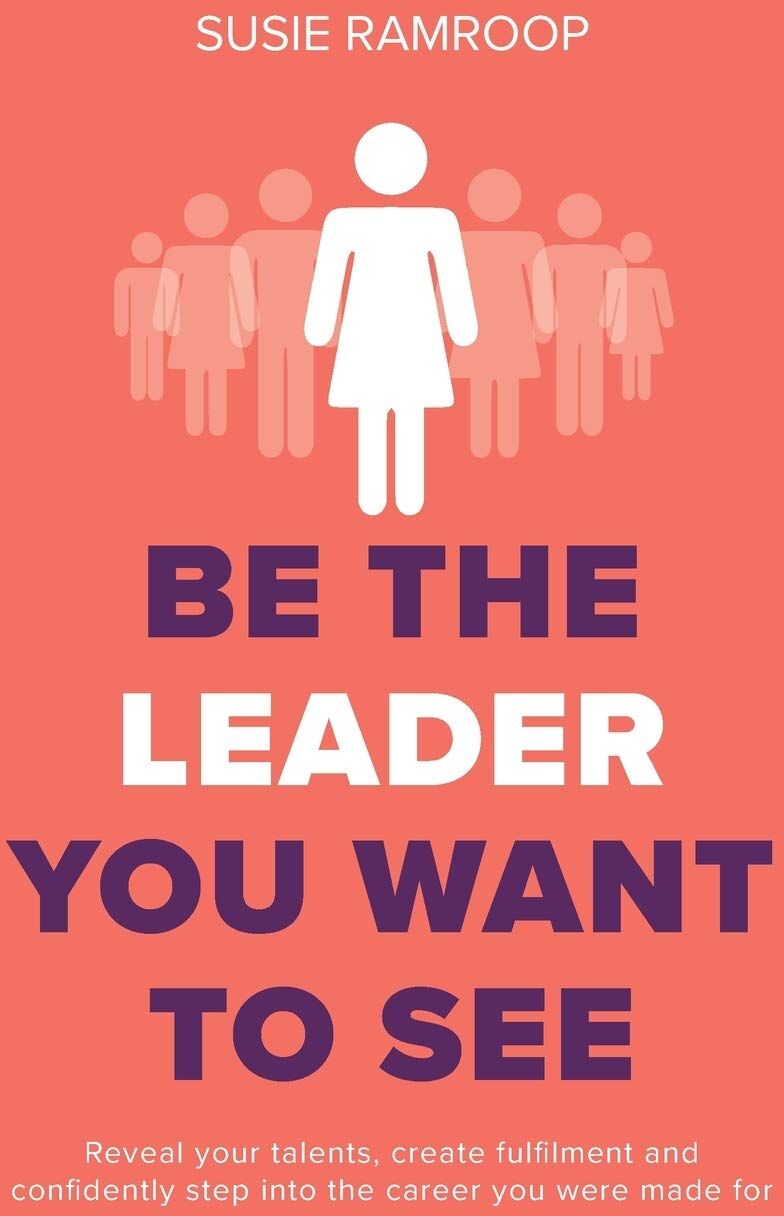
Rethink Press Be the Leader You Want to See by Susie Ramroop - Paperback Leadership & Career Development Book for Ambitious ProfessionalsBe the Leader You Want to See is a leadership guide by career coach Susie Ramroop, written for ambitious professionals. This brand-new paperback helps you unlock the talent you already possess and present it to the world with confidence. The book is structured around three transformative stages: Awareness, Bravery, and Contribution. In Awareness, you break free from the search for fulfillment and quieten the inner impostor that has kept you playing small. In Bravery, you learn to step up and take on new challenges. The book is a concise and purpose-driven guide that turns good intentions into tangible career progress for managers, aspiring leaders, and mentors alike. Susie Ramroop guides readers through the three stages, helping them to become the leaders they want to see.4,99 £*Shipping: 2,99 £Secure redirect to the provider
-
Is love of evolutionary origin?
Yes, the concept of love is believed to have evolutionary origins. Evolutionary psychologists suggest that love developed as a mechanism to promote bonding and cooperation between individuals, which increased the chances of survival and reproduction. The feelings of attachment, care, and protection associated with love are thought to have evolved to ensure the successful raising of offspring. Therefore, love is considered to have evolved as an adaptive trait that has persisted over time due to its benefits for human survival and reproduction. **
-
What is an evolutionary brake?
An evolutionary brake refers to a factor or mechanism that slows down or limits the rate of evolution within a population or species. This can include environmental factors, such as limited resources or harsh conditions, that restrict the ability of individuals with certain traits to survive and reproduce. Additionally, genetic factors, such as mutations that are detrimental to an organism's survival or reproduction, can act as evolutionary brakes by preventing those traits from becoming more common in a population. Overall, evolutionary brakes help to maintain genetic diversity and prevent rapid and potentially harmful changes in a population. **
-
How does Lamarck's theory explain the evolutionary development of the woodpecker's long tongue?
According to Lamarck's theory of evolution, organisms can acquire new traits during their lifetime through their interactions with the environment, and these acquired traits can be passed on to their offspring. In the case of the woodpecker's long tongue, Lamarck would suggest that the woodpecker's ancestors may have developed longer tongues over time by stretching their tongues to reach insects deep within tree crevices. This acquired trait of a longer tongue would have been passed on to future generations of woodpeckers, ultimately leading to the evolutionary development of the woodpecker's long tongue. **
-
Do blood types have evolutionary advantages?
Yes, blood types are believed to have evolutionary advantages. For example, the ABO blood group system is thought to have evolved as a way to protect against certain diseases. Individuals with type O blood are less susceptible to severe malaria, while those with type A blood may have a higher risk of developing certain types of cancer. Additionally, the Rh factor in blood types is thought to have evolved as a way to protect against certain infections. Overall, blood types are believed to have evolved as a way to provide some level of protection against various diseases and infections. **
* All prices are inclusive of VAT and, if applicable, plus shipping costs. The offer information is based on the details provided by the respective shop and is updated through automated processes. Real-time updates do not occur, so deviations can occur in individual cases. ** Note: Parts of this content were created by AI.