Buy interimmanagement.org ?
We are moving the project
interimmanagement.org .
Are you interested in purchasing the domain
interimmanagement.org ?
domain@kv-gmbh.de · 0541-91531010
Buy interimmanagement.org ?
How is porcelain stoneware cleaned?
Porcelain stoneware can be cleaned using a mild detergent or a mixture of water and vinegar. It is important to avoid abrasive cleaners or harsh chemicals that can damage the surface of the stoneware. A soft cloth or mop can be used to gently clean the surface, followed by rinsing with clean water. For tougher stains, a specialized porcelain stoneware cleaner may be used following the manufacturer's instructions. **
Are palm trees trees?
Yes, palm trees are considered to be trees. They have a tall, woody trunk and are classified as a type of tree in the plant kingdom. While they may look different from traditional trees with their long, slender trunks and large, fan-shaped leaves, they still share many characteristics of trees such as producing seeds and having a vascular system for transporting water and nutrients. **


Similar search terms for Storied-Home-Stoneware-Trees
Top-Angebote
Products related to Storied-Home-Stoneware-Trees:
-
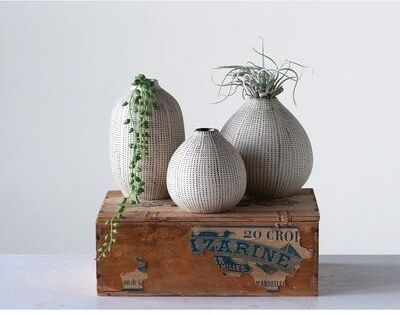
Storied Home Debossed Stoneware Tray/Platter with Trees and HandlesThis stoneware tray, with its debossed tree design and reactive glaze, offers a unique and elegant solution for serving and display. Each tray varies slightly, adding to the charm and individuality of the piece.58,99 $*Shipping: 0,00 $Secure redirect to the provider



-
How do you drill into porcelain stoneware and tiles?
To drill into porcelain stoneware and tiles, you will need a carbide-tipped masonry drill bit specifically designed for hard materials like porcelain. Before drilling, mark the spot with a pencil and place a piece of masking tape over it to prevent the drill bit from slipping. Use a variable speed drill on a low speed setting and apply gentle, consistent pressure while drilling to avoid cracking or chipping the tile. It is also recommended to use a spray bottle with water to keep the drill bit and tile cool during the drilling process. **
-
What do you prefer, porcelain or ceramic/stoneware, and why?
I prefer porcelain because it is more durable and has a finer texture compared to ceramic/stoneware. Porcelain is also less porous, making it less likely to absorb stains and odors. Additionally, porcelain has a more elegant and refined appearance, making it a popular choice for formal dinnerware and decorative pieces. Overall, I find porcelain to be a more versatile and higher quality option for various household items. **
-
What are the costs for laying tiles or porcelain stoneware?
The costs for laying tiles or porcelain stoneware can vary depending on several factors such as the size of the area to be tiled, the type and quality of the tiles, and the complexity of the installation. Generally, the cost includes the price of the tiles themselves, the cost of labor for installation, and any additional materials or tools needed for the job. It's important to consider the cost of preparing the surface for tiling, as well as any additional finishing touches such as grouting and sealing. Overall, the cost for laying tiles or porcelain stoneware can range from a few hundred to several thousand dollars, depending on the specifics of the project. **
-
How much is this stoneware jug with pewter lid worth?
The value of a stoneware jug with a pewter lid can vary depending on factors such as its age, condition, and rarity. Antique stoneware jugs with pewter lids can range in value from $50 to several hundred dollars, with some rare or highly sought-after pieces fetching even higher prices. To determine the specific value of the jug in question, it would be best to consult with a professional appraiser or antique dealer who can assess its unique characteristics and provide an accurate valuation. **


Can trees cry?
No, trees cannot cry in the same way that humans or animals do. Trees do not have tear ducts or the ability to produce tears. However, trees can release sap or resin in response to injury or stress, which could be seen as a form of "crying" in a metaphorical sense. This sap or resin helps protect the tree from further damage and aids in its healing process. **
Are cypresses trees?
Yes, cypresses are trees. They are coniferous trees that belong to the Cupressaceae family and are known for their tall, slender shape and scale-like leaves. Cypresses are commonly found in temperate regions around the world and are often planted for their ornamental value in gardens and landscapes. **
Top-Angebote
Products related to Storied-Home-Stoneware-Trees:
-
Storied Home Debossed Stoneware Tray/Platter with Trees and HandlesThis stoneware tray, with its debossed tree design and reactive glaze, offers a unique and elegant solution for serving and display. Each tray varies slightly, adding to the charm and individuality of the piece.58,99 $*Shipping: 0,00 $Secure redirect to the provider
-
How is porcelain stoneware cleaned?
Porcelain stoneware can be cleaned using a mild detergent or a mixture of water and vinegar. It is important to avoid abrasive cleaners or harsh chemicals that can damage the surface of the stoneware. A soft cloth or mop can be used to gently clean the surface, followed by rinsing with clean water. For tougher stains, a specialized porcelain stoneware cleaner may be used following the manufacturer's instructions. **
-
Are palm trees trees?
Yes, palm trees are considered to be trees. They have a tall, woody trunk and are classified as a type of tree in the plant kingdom. While they may look different from traditional trees with their long, slender trunks and large, fan-shaped leaves, they still share many characteristics of trees such as producing seeds and having a vascular system for transporting water and nutrients. **
-
How do you drill into porcelain stoneware and tiles?
To drill into porcelain stoneware and tiles, you will need a carbide-tipped masonry drill bit specifically designed for hard materials like porcelain. Before drilling, mark the spot with a pencil and place a piece of masking tape over it to prevent the drill bit from slipping. Use a variable speed drill on a low speed setting and apply gentle, consistent pressure while drilling to avoid cracking or chipping the tile. It is also recommended to use a spray bottle with water to keep the drill bit and tile cool during the drilling process. **
-
What do you prefer, porcelain or ceramic/stoneware, and why?
I prefer porcelain because it is more durable and has a finer texture compared to ceramic/stoneware. Porcelain is also less porous, making it less likely to absorb stains and odors. Additionally, porcelain has a more elegant and refined appearance, making it a popular choice for formal dinnerware and decorative pieces. Overall, I find porcelain to be a more versatile and higher quality option for various household items. **
Similar search terms for Storied-Home-Stoneware-Trees
-
What are the costs for laying tiles or porcelain stoneware?
The costs for laying tiles or porcelain stoneware can vary depending on several factors such as the size of the area to be tiled, the type and quality of the tiles, and the complexity of the installation. Generally, the cost includes the price of the tiles themselves, the cost of labor for installation, and any additional materials or tools needed for the job. It's important to consider the cost of preparing the surface for tiling, as well as any additional finishing touches such as grouting and sealing. Overall, the cost for laying tiles or porcelain stoneware can range from a few hundred to several thousand dollars, depending on the specifics of the project. **
-
How much is this stoneware jug with pewter lid worth?
The value of a stoneware jug with a pewter lid can vary depending on factors such as its age, condition, and rarity. Antique stoneware jugs with pewter lids can range in value from $50 to several hundred dollars, with some rare or highly sought-after pieces fetching even higher prices. To determine the specific value of the jug in question, it would be best to consult with a professional appraiser or antique dealer who can assess its unique characteristics and provide an accurate valuation. **
-
Can trees cry?
No, trees cannot cry in the same way that humans or animals do. Trees do not have tear ducts or the ability to produce tears. However, trees can release sap or resin in response to injury or stress, which could be seen as a form of "crying" in a metaphorical sense. This sap or resin helps protect the tree from further damage and aids in its healing process. **
-
Are cypresses trees?
Yes, cypresses are trees. They are coniferous trees that belong to the Cupressaceae family and are known for their tall, slender shape and scale-like leaves. Cypresses are commonly found in temperate regions around the world and are often planted for their ornamental value in gardens and landscapes. **
* All prices are inclusive of VAT and, if applicable, plus shipping costs. The offer information is based on the details provided by the respective shop and is updated through automated processes. Real-time updates do not occur, so deviations can occur in individual cases. ** Note: Parts of this content were created by AI.