Buy interimmanagement.org ?
We are moving the project
interimmanagement.org .
Are you interested in purchasing the domain
interimmanagement.org ?
domain@kv-gmbh.de · 0541-91531010
Buy interimmanagement.org ?
What are demonstrative pronouns and relative pronouns?
Demonstrative pronouns are pronouns that are used to point to specific things or people. Examples of demonstrative pronouns include "this," "that," "these," and "those." Relative pronouns are pronouns that introduce dependent clauses and connect them to independent clauses. Examples of relative pronouns include "who," "whom," "whose," "which," and "that." **
Why are demonstrative pronouns called demonstrative pronouns?
Demonstrative pronouns are called demonstrative because they demonstrate or point to a specific noun or pronoun in a sentence. They help to indicate the position or location of the noun or pronoun in relation to the speaker or listener. By using demonstrative pronouns such as "this," "that," "these," and "those," speakers can make their communication more precise and clear by specifying which person, place, thing, or idea they are referring to. **
Similar search terms for Pronouns
Top-Angebote
Products related to Pronouns:
-
Profile Books The Concise 33 Strategies of War by Robert Greene - Paperback Strategy & Leadership Book -Discover timeless strategic principles with The Concise 33 Strategies of War by Robert Greene. This condensed guide to strategic thinking draws on military history, politics, and human psychology, offering practical wisdom on conflict, negotiation, and leadership. Spanning centuries and civilizations, the book synthesizes lessons from generals, diplomats, philosophers, and captains of industry to reveal effective strategies for everyday life. Each strategy is illustrated with real historical episodes, making this a valuable companion for business leaders, students of history, and anyone seeking to improve their competitive edge. Published by Profile Books, this paperback edition is a compact and accessible guide to strategic thinking.12,49 £*Shipping: 2,99 £Secure redirect to the provider
-
Classic Editions The Complete Art of War – 8 Book Hardback Box Set Sun Tzu & Ancient Chinese Military Strategy Classics Leadership, Warfare & Strategy CollectionExplore centuries of strategic thinking with The Complete Art of War – 8 Books Collection Hardback Box Set, an impressive collection of classical Chinese writings on warfare, leadership, tactics and strategy. Bringing together influential works from ancient Chinese military thought, this hardback collection includes titles such as The Art of War, Methods of the Sima, Wuzi, Wei Liaozi, Three Strategies of Huang Shigong, and Six Secret Teachings of Taigong, alongside additional works included in the eight-volume set. These enduring texts examine subjects including leadership, planning, discipline, intelligence, diplomacy, battlefield tactics and strategic decision-making. Although written in the context of ancient warfare, many of their principles have subsequently attracted readers interested in history, leadership and strategic thinking. Presented as an 8-volume hardback boxed collection, the set is ideal for readers of military history, students of classical philosophy and collectors of beautifully presented classic works. Why Readers Will Love This Collection Includes 8 hardback volumes in a collectible box set Features influential works of ancient Chinese military strategy Explores strategy, leadership, tactics and decision-making Excellent addition to military history and philosophy collections Attractive hardback format for a home or study library Ideal gift for history, strategy and classic literature enthusiasts The Complete Art of War 8 Book Collection brings together some of history's most enduring works on strategy in one impressive hardback set. Titles In This Set: Notebook Questions and Replies Three Strategies of Huang Shigong Wuzi Wei Liaozi The Methods of The Sima Six Secret Teachings of Taigong The Art of War16,99 £*Shipping: 2,99 £Secure redirect to the provider
-
EISENBERG Anti-Ageing Expertise skin care setEISENBERG Anti-Ageing Expertise, , Skin Serums for Women, Everything for beautiful-looking skin in one package. The EISENBERG Anti-Ageing Expertise beauty gift set contains not one but several products to help you create or enrich your daily beauty routine and make you or your loved ones happy to get it as a gift. The set contains: Eisenberg Classique Soin Anti-Âge anti-wrinkle firming cream 50 ml Eisenberg Classique Hydra Lifting light gel-cream for intensive hydration 15 ml Eisenberg Classique Sérum Régénérant Liftant anti-wrinkle lifting serum for tired skin 7,5 ml Characteristics: a set of cosmetic products for everyday use products for deep nourishment and hydration for perfectly soft and smooth skin a treat for any woman How to use: Use every product from the cosmetic set according to the instructions.128,00 £*Shipping: 3,99 £Secure redirect to the provider
-
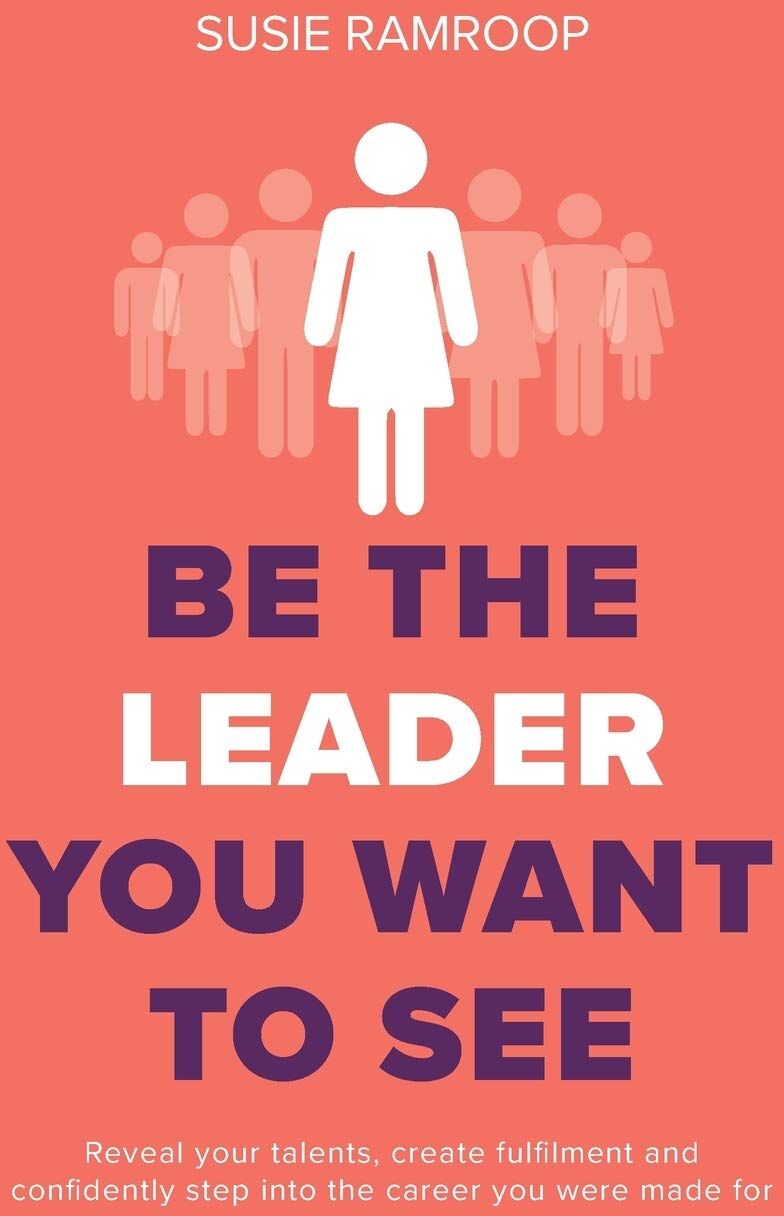
Rethink Press Be the Leader You Want to See by Susie Ramroop - Paperback Leadership & Career Development Book for Ambitious ProfessionalsBe the Leader You Want to See is a leadership guide by career coach Susie Ramroop, written for ambitious professionals. This brand-new paperback helps you unlock the talent you already possess and present it to the world with confidence. The book is structured around three transformative stages: Awareness, Bravery, and Contribution. In Awareness, you break free from the search for fulfillment and quieten the inner impostor that has kept you playing small. In Bravery, you learn to step up and take on new challenges. The book is a concise and purpose-driven guide that turns good intentions into tangible career progress for managers, aspiring leaders, and mentors alike. Susie Ramroop guides readers through the three stages, helping them to become the leaders they want to see.4,99 £*Shipping: 2,99 £Secure redirect to the provider



-
With which pronouns do many people confuse reflexive pronouns?
Many people confuse reflexive pronouns with personal pronouns. For example, they may use "myself" or "yourself" instead of "me" or "you" in a sentence. This confusion often occurs when people are trying to emphasize the subject of the sentence, but they mistakenly use a reflexive pronoun instead of a personal pronoun. It's important to understand the difference between reflexive and personal pronouns in order to use them correctly in sentences. **
-
What are pronouns?
Pronouns are words that are used in place of nouns to avoid repetition in a sentence. They can refer to people, places, things, or ideas. Pronouns help make sentences clearer and more concise by replacing specific nouns with general words like "he," "she," "it," "they," and "we." Using pronouns also helps to maintain the flow of writing and make it more engaging for the reader. **
-
What is the difference between personal pronouns and reflexive pronouns?
Personal pronouns are used to refer to people or things, such as "I," "you," "he," "she," "it," "we," and "they." Reflexive pronouns, on the other hand, are used when the subject and object of a sentence are the same person or thing, such as "myself," "yourself," "himself," "herself," "itself," "ourselves," and "themselves." Reflexive pronouns are used to reflect the action back onto the subject, while personal pronouns simply refer to the subject or object. **
-
Which pronouns do many people often confuse with reflexive pronouns?
Many people often confuse reflexive pronouns with intensive pronouns. Intensive pronouns are used to emphasize a preceding noun or pronoun, while reflexive pronouns are used when the subject and object of a sentence are the same. For example, "I myself will do it" uses an intensive pronoun, while "I hurt myself" uses a reflexive pronoun. It is important to understand the distinction between these two types of pronouns to use them correctly in sentences. **
Can you help me with personal pronouns and possessive pronouns?
Certainly! Personal pronouns are used to replace nouns in a sentence, such as "I", "you", "he", "she", "it", "we", and "they". Possessive pronouns show ownership or possession, such as "mine", "yours", "his", "hers", "ours", and "theirs". If you need help understanding how to use these pronouns in a sentence or identifying which pronoun to use in a specific context, feel free to ask for more guidance. **
What is the difference between relative pronouns and interrogative pronouns?
Relative pronouns are used to connect a dependent clause to an independent clause, providing more information about a noun in the independent clause. They include words like "who," "which," and "that." Interrogative pronouns, on the other hand, are used to ask questions and gather information. They include words like "who," "what," "which," "whom," and "whose." The main difference between the two is their function in a sentence - relative pronouns connect clauses, while interrogative pronouns are used to ask questions. **
Top-Angebote
Products related to Pronouns:
-
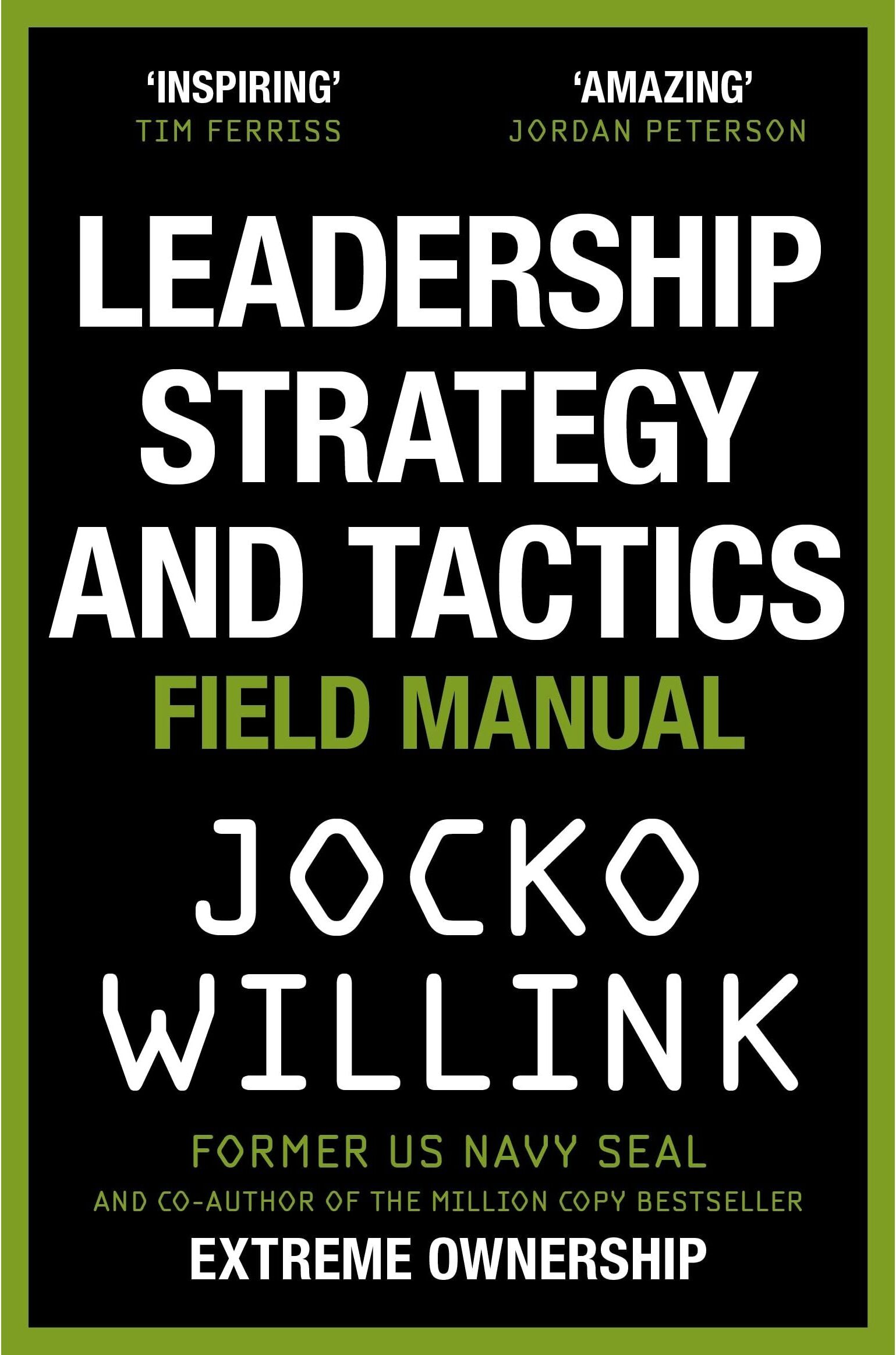
MACMILLAN Leadership Strategy and Tactics: Learn to Lead Like a Navy SEALLeadership is the most challenging of human endeavours. It is often misunderstood. It can bewilder, mystify and frustrate even the most dedicated practitioners. Leaders at all levels are often forced to use theoretical guesswork to make decisions and lead their troops. It doesn’t have to be that way. There are principles that can be applied and tenets that can be followed. There are skills that can be learned and manoeuvres that can be practised and executed. There are leadership strategies and tactics that have been tested and proven on the battlefield, in business and in life. Retired Navy SEAL Officer Jocko Willink delivers his powerful and pragmatic leadership methodology that teaches how to lead any team in any situation to victory. Here, you will learn how to: * Deal with egos and the problems they cause * Earn and build trust with both your subordinates and superiors * Instil pride in your team, without creating arrogance * Overcome challenges presented by a micromanaging, indecisive or weak boss * Create a disciplined team that regulates itself * Use leadership as a tool to teach, mentor, train and correct behaviour of team members * Operate at a maximum level of efficiency – and reap the rewards . . . and more. This book is step one towards becoming the commander of your own life. The rest is up to you.8,99 £*Shipping: 2,99 £Secure redirect to the provider
-
The Readers Paradise Enhancing Your Leadership Skills: A Practical Handbook for Success by Prof. V.K.Simon - Non Fiction Paperback - Leadership & Professional DevelopmentEnhance your leadership skills with this practical handbook by Prof. V.K.Simon. Written for anyone looking to lead with confidence and clarity, it blends self-awareness, emotional intelligence, and real-world strategy to help you achieve success. Whether you're a first-time manager or a seasoned executive, this compact guide delivers tools to strengthen decision-making, communication, and team impact in a fast-changing global workplace. It's built around the idea that great leadership is learned through practice, not theory alone, and covers the core competencies every effective leader needs, starting with self-awareness and emotional intelligence.2,99 £*Shipping: 2,99 £Secure redirect to the provider
-
Profile Books The Concise 33 Strategies of War by Robert Greene - Paperback Strategy & Leadership Book -Discover timeless strategic principles with The Concise 33 Strategies of War by Robert Greene. This condensed guide to strategic thinking draws on military history, politics, and human psychology, offering practical wisdom on conflict, negotiation, and leadership. Spanning centuries and civilizations, the book synthesizes lessons from generals, diplomats, philosophers, and captains of industry to reveal effective strategies for everyday life. Each strategy is illustrated with real historical episodes, making this a valuable companion for business leaders, students of history, and anyone seeking to improve their competitive edge. Published by Profile Books, this paperback edition is a compact and accessible guide to strategic thinking.12,49 £*Shipping: 2,99 £Secure redirect to the provider
-
Classic Editions The Complete Art of War – 8 Book Hardback Box Set Sun Tzu & Ancient Chinese Military Strategy Classics Leadership, Warfare & Strategy CollectionExplore centuries of strategic thinking with The Complete Art of War – 8 Books Collection Hardback Box Set, an impressive collection of classical Chinese writings on warfare, leadership, tactics and strategy. Bringing together influential works from ancient Chinese military thought, this hardback collection includes titles such as The Art of War, Methods of the Sima, Wuzi, Wei Liaozi, Three Strategies of Huang Shigong, and Six Secret Teachings of Taigong, alongside additional works included in the eight-volume set. These enduring texts examine subjects including leadership, planning, discipline, intelligence, diplomacy, battlefield tactics and strategic decision-making. Although written in the context of ancient warfare, many of their principles have subsequently attracted readers interested in history, leadership and strategic thinking. Presented as an 8-volume hardback boxed collection, the set is ideal for readers of military history, students of classical philosophy and collectors of beautifully presented classic works. Why Readers Will Love This Collection Includes 8 hardback volumes in a collectible box set Features influential works of ancient Chinese military strategy Explores strategy, leadership, tactics and decision-making Excellent addition to military history and philosophy collections Attractive hardback format for a home or study library Ideal gift for history, strategy and classic literature enthusiasts The Complete Art of War 8 Book Collection brings together some of history's most enduring works on strategy in one impressive hardback set. Titles In This Set: Notebook Questions and Replies Three Strategies of Huang Shigong Wuzi Wei Liaozi The Methods of The Sima Six Secret Teachings of Taigong The Art of War16,99 £*Shipping: 2,99 £Secure redirect to the provider
-
What are demonstrative pronouns and relative pronouns?
Demonstrative pronouns are pronouns that are used to point to specific things or people. Examples of demonstrative pronouns include "this," "that," "these," and "those." Relative pronouns are pronouns that introduce dependent clauses and connect them to independent clauses. Examples of relative pronouns include "who," "whom," "whose," "which," and "that." **
-
Why are demonstrative pronouns called demonstrative pronouns?
Demonstrative pronouns are called demonstrative because they demonstrate or point to a specific noun or pronoun in a sentence. They help to indicate the position or location of the noun or pronoun in relation to the speaker or listener. By using demonstrative pronouns such as "this," "that," "these," and "those," speakers can make their communication more precise and clear by specifying which person, place, thing, or idea they are referring to. **
-
With which pronouns do many people confuse reflexive pronouns?
Many people confuse reflexive pronouns with personal pronouns. For example, they may use "myself" or "yourself" instead of "me" or "you" in a sentence. This confusion often occurs when people are trying to emphasize the subject of the sentence, but they mistakenly use a reflexive pronoun instead of a personal pronoun. It's important to understand the difference between reflexive and personal pronouns in order to use them correctly in sentences. **
-
What are pronouns?
Pronouns are words that are used in place of nouns to avoid repetition in a sentence. They can refer to people, places, things, or ideas. Pronouns help make sentences clearer and more concise by replacing specific nouns with general words like "he," "she," "it," "they," and "we." Using pronouns also helps to maintain the flow of writing and make it more engaging for the reader. **
Similar search terms for Pronouns
-
EISENBERG Anti-Ageing Expertise skin care setEISENBERG Anti-Ageing Expertise, , Skin Serums for Women, Everything for beautiful-looking skin in one package. The EISENBERG Anti-Ageing Expertise beauty gift set contains not one but several products to help you create or enrich your daily beauty routine and make you or your loved ones happy to get it as a gift. The set contains: Eisenberg Classique Soin Anti-Âge anti-wrinkle firming cream 50 ml Eisenberg Classique Hydra Lifting light gel-cream for intensive hydration 15 ml Eisenberg Classique Sérum Régénérant Liftant anti-wrinkle lifting serum for tired skin 7,5 ml Characteristics: a set of cosmetic products for everyday use products for deep nourishment and hydration for perfectly soft and smooth skin a treat for any woman How to use: Use every product from the cosmetic set according to the instructions.128,00 £*Shipping: 3,99 £Secure redirect to the provider
-
Rethink Press Be the Leader You Want to See by Susie Ramroop - Paperback Leadership & Career Development Book for Ambitious ProfessionalsBe the Leader You Want to See is a leadership guide by career coach Susie Ramroop, written for ambitious professionals. This brand-new paperback helps you unlock the talent you already possess and present it to the world with confidence. The book is structured around three transformative stages: Awareness, Bravery, and Contribution. In Awareness, you break free from the search for fulfillment and quieten the inner impostor that has kept you playing small. In Bravery, you learn to step up and take on new challenges. The book is a concise and purpose-driven guide that turns good intentions into tangible career progress for managers, aspiring leaders, and mentors alike. Susie Ramroop guides readers through the three stages, helping them to become the leaders they want to see.4,99 £*Shipping: 2,99 £Secure redirect to the provider
-
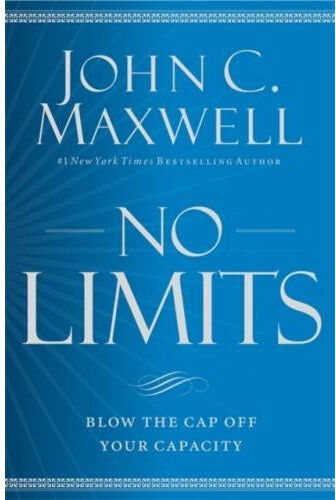
Little Brown Book Group No Limits: Blow the Cap Off Your Capacity by John C. Maxwell – Personal Growth & Leadership Development GuideNo Limits: Blow the CAP Off Your Capacity Description We often treat the word capacity as if it were a natural law of limitation. Unfortunately; most of us are much more comfortable defining what we perceive is off limits rather than what's possible. Could it be that many people have allowed what they perceive as capacity to define them? Have they allowed their perception to limit their attitudes about their potential? In his newest book; John Maxwell identifies 17 core capacities. Some of these are abilities we all already possess; such as energy; creativity and leadership. Others are aspects of our lives controlled by our choices; like our attitudes; character; and intentionality. Maxwell examines each of these 17 capacities; and provides clear and actionable advice on how you can increase your potential in each. He will guide you on how to identify; grow; and apply your critical capacities to your daily life. Once you've blown the 'cap' off your capacities; you'll find yourself more successful--and fulfilled--in your daily life.5,99 £*Shipping: 2,99 £Secure redirect to the provider
-
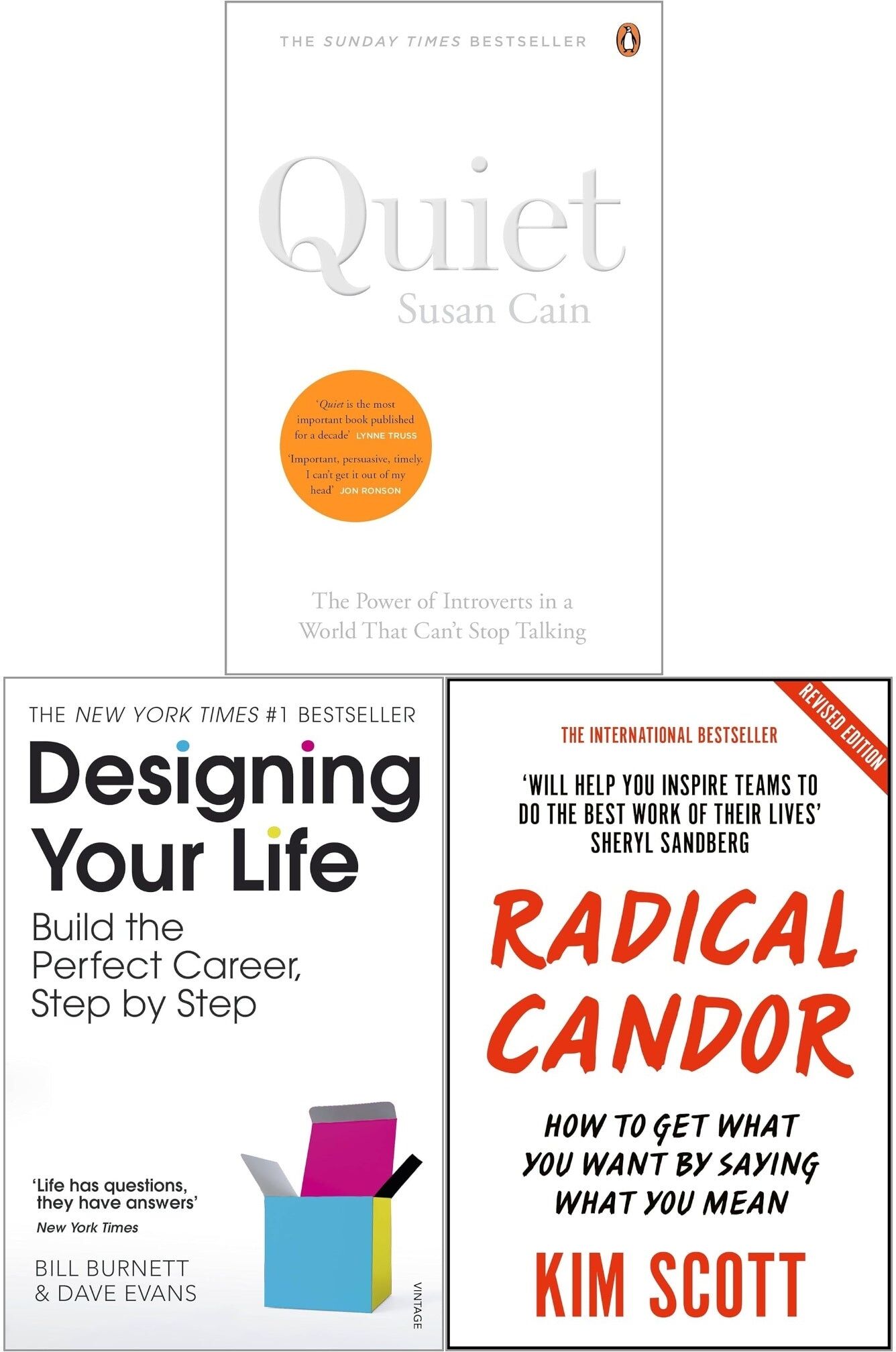
Penguin/Pan Macmillan Designing Your Life, Radical Candor and Quiet 3 Books Collection Set Personal Development, Leadership, Career Success & Self ImprovementDesigning Your Life, Radical Candor and Quiet 3 Books Collection Set Designing Your Life by Bill Burnett & Dave Evans Stanford innovators Bill Burnett and Dave Evans show us how design thinking can help us create a life that is both meaningful and fulfilling, regardless of who and where we are, our careers and our age. Designing Your Life puts forward the idea that the same design thinking responsible for amazing technology, products and spaces can be used to build towards a better life and career by a design of your own making. Radical Candor by Kim Scott Radical Candor by Kim Scott is a groundbreaking leadership and communication guide that teaches how to give feedback effectively, build trust, and create high-performing teams without becoming harsh—or avoiding difficult conversations. Based on Scott’s experience at Google, Apple and Silicon Valley startups, Radical Candor introduces a simple but powerful framework built on two pillars: Care Personally Challenge Directly The book provides practical tools for giving honest feedback, fostering open communication, strengthening working relationships, and becoming a more compassionate and impactful leader. Quiet by Susan Cain Quiet, the Sunday Times and New York Times Bestseller by Susan Cain, will permanently change how we see introverts - and how you see yourself. Our lives are driven by a fact most of us cant name and dont understand: whether were an introvert or an extrovert. This defines who our friends and lovers are, which careers we choose, and whether we blush when were embarrassed. At least a third of us are on the introverted side. Some of the worlds most talented people are introverts. Without them, we wouldnt have the Apple computer, the theory of relativity and Van Goghs sunflowers.16,99 £*Shipping: 2,99 £Secure redirect to the provider
-
What is the difference between personal pronouns and reflexive pronouns?
Personal pronouns are used to refer to people or things, such as "I," "you," "he," "she," "it," "we," and "they." Reflexive pronouns, on the other hand, are used when the subject and object of a sentence are the same person or thing, such as "myself," "yourself," "himself," "herself," "itself," "ourselves," and "themselves." Reflexive pronouns are used to reflect the action back onto the subject, while personal pronouns simply refer to the subject or object. **
-
Which pronouns do many people often confuse with reflexive pronouns?
Many people often confuse reflexive pronouns with intensive pronouns. Intensive pronouns are used to emphasize a preceding noun or pronoun, while reflexive pronouns are used when the subject and object of a sentence are the same. For example, "I myself will do it" uses an intensive pronoun, while "I hurt myself" uses a reflexive pronoun. It is important to understand the distinction between these two types of pronouns to use them correctly in sentences. **
-
Can you help me with personal pronouns and possessive pronouns?
Certainly! Personal pronouns are used to replace nouns in a sentence, such as "I", "you", "he", "she", "it", "we", and "they". Possessive pronouns show ownership or possession, such as "mine", "yours", "his", "hers", "ours", and "theirs". If you need help understanding how to use these pronouns in a sentence or identifying which pronoun to use in a specific context, feel free to ask for more guidance. **
-
What is the difference between relative pronouns and interrogative pronouns?
Relative pronouns are used to connect a dependent clause to an independent clause, providing more information about a noun in the independent clause. They include words like "who," "which," and "that." Interrogative pronouns, on the other hand, are used to ask questions and gather information. They include words like "who," "what," "which," "whom," and "whose." The main difference between the two is their function in a sentence - relative pronouns connect clauses, while interrogative pronouns are used to ask questions. **
* All prices are inclusive of VAT and, if applicable, plus shipping costs. The offer information is based on the details provided by the respective shop and is updated through automated processes. Real-time updates do not occur, so deviations can occur in individual cases. ** Note: Parts of this content were created by AI.